





Register to get 2 free articles
Reveal the article below by registering for our email newsletter.
Want unlimited access? View Plans
Already have an account? Sign in
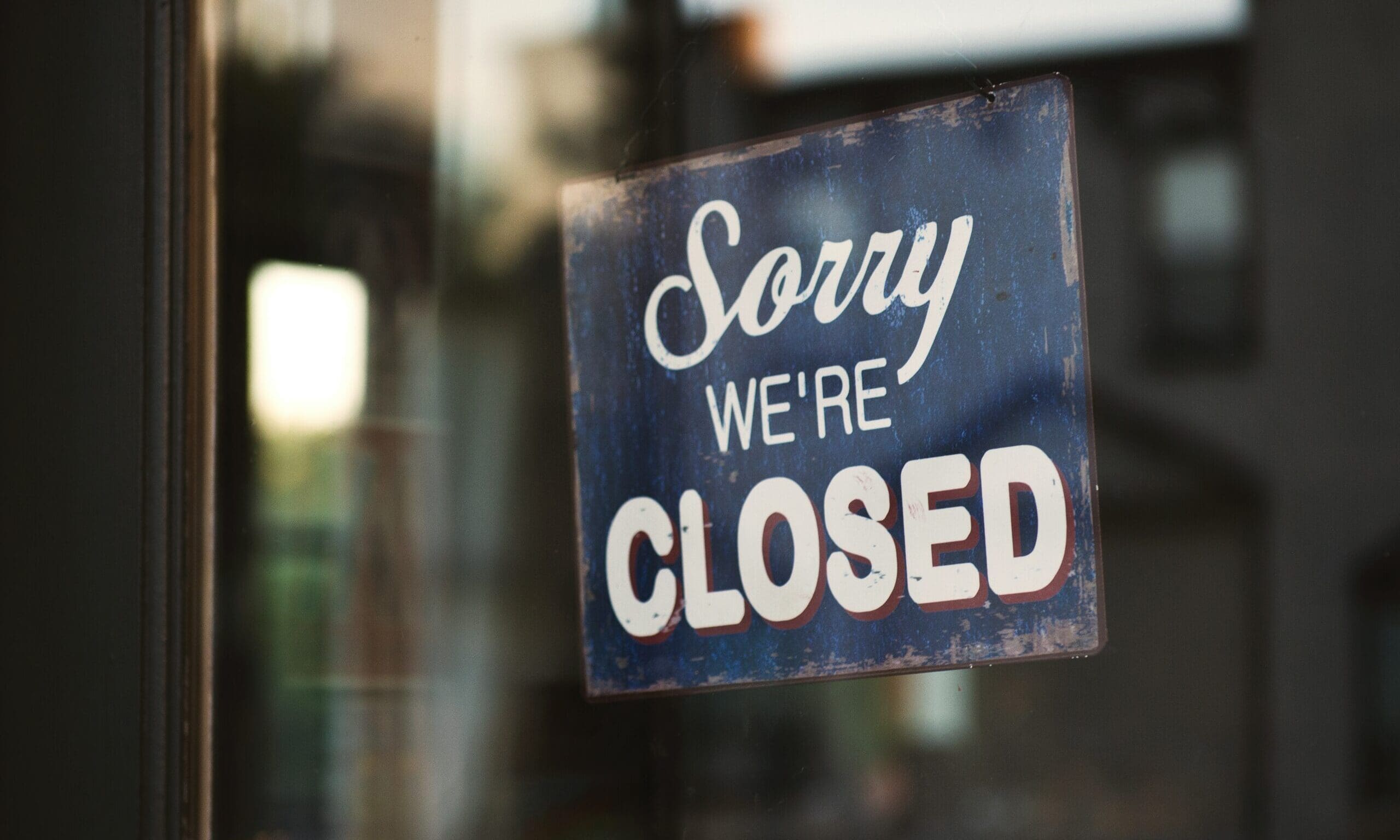
An average of one pub a day closed permanently across England and Wales during 2025, according to analysis by global tax firm Ryan, highlighting continued pressure on the hospitality sector ahead of the new year’s business rates revaluation.
The number of pubs liable for business rates fell from 38,989 at the end of December 2024 to 38,623 a year later, a net loss of 366 premises over the calendar year. The total includes pubs that are vacant or being marketed to let, indicating closures that are unlikely to be reversed.
The decline follows several years of contraction. Nearly 2,000 pubs have disappeared over the past five years, although the pace of closures has slowed slightly compared with earlier periods.
Every region of England and Wales recorded a net loss of pubs in 2025. The largest numerical falls were in the East Midlands, where 69 pubs closed, followed by the North West with 52 closures and Yorkshire and the Humber with 36. London lost 32 pubs over the year, while Wales recorded a net loss of 28.
The figures come ahead of the 2026 business rates revaluation, which takes effect from April. Under the draft local rating lists for pubs in England and Wales, the average rateable value is set to rise by about 30%, from £30,945 to £40,245. Total pub rateable value would increase by £364.75m to £1.5bn.
The changes coincide with the planned abolition of the 40% retail, hospitality and leisure relief, which had been capped at £110k per business.
Alex Probyn, practice leader for Europe and Asia-Pacific property tax at Ryan, said: “These pubs have closed permanently, not temporarily. The buildings have been demolished or converted into housing, offices, nurseries, cafés or other uses. Once repurposed, they almost never return to pub use.
“It reflects deep structural pressures on pubs. Many survived the pandemic through resilience and community support, only to be pushed to the brink by rising costs and a rating system that no longer reflects economic reality. When rising wages, energy costs, alcohol duty and thinner margins collide with a 30% rise in rateable values and the loss of reliefs, the maths simply doesn’t work.”
The firm said that the scale of closures strengthened the case for reform of how pubs are assessed for business rates, calling for a valuation approach based on receipts and expenditure rather than one focused mainly on turnover.