






The potential sale of Franco Manca raises a bigger question: is the government quietly allowing hospitality to consolidate?
The struggle is confirmed by the recent news of Pizza Hut closing down a large number of shops and the acceleration of net closures in hospitality in the 3Q of 2025, with food-led venues doing much worse than the sector. Industry bodies warn that in 2026 more than 2000 hospitality businesses may close without support.
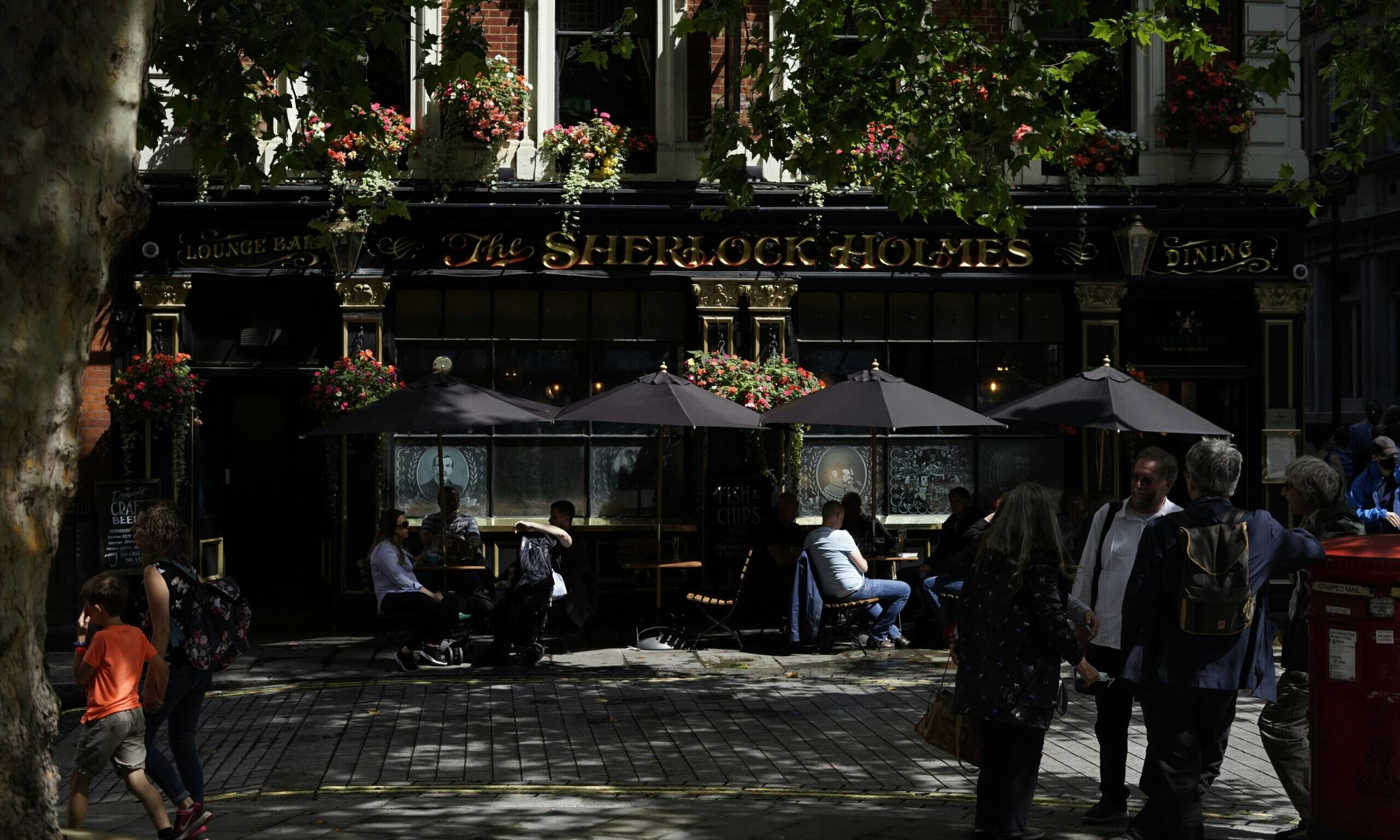
Perhaps the clearest sign is the recently released package for pubs, a confirmation that even the government is worried about our local communities and services.
Is the government going to support the rest of the restaurant industry too?
As a multi-site London pizza operator, I increasingly feel like it is actually the government’s intention to let hospitality consolidate ‘naturally’. In the past 5 years, we’ve seen wages rise, food and energy costs increase and landlords become less flexible, pressures that we struggled to absorb.
From a policy perspective, shop closures release talent in the market, which will be easily reabsorbed given the staff shortage all restaurants are facing. It will also help in curbing the highest ever commercial rents.
Moreover, the remaining restaurants will benefit from the new business flowing in. With the higher income, operators can invest in refurbishing and decorating and will have some extra cash to raise the wages of the best talents.
That logic holds only if displaced workers quickly find new roles without financial support, and if customers return to dining out. Neither is likely while interest rates remain high. Which is not happening, and surely not happening fast enough.
To be clear, no one in government is openly advocating consolidation, but the lack of support, the harsher sponsor visa requirements and the latest budget changes are pointing in that direction.
None of this may be intentional, but outcomes matter more than intent. The question is whether policymakers realise that by the time relief arrives, the independent layer of the industry may already be gone.